

Author: Krisztina Nagy
Domestic tourism in Hungary has faced numerous social and economic headwinds in recent years: rising prices, inflation, and declining purchasing power have all taken a toll. Accommodation costs and seasonal overcrowding have compounded these challenges, while the lingering effects of the COVID-19 pandemic remain evident. Yet, despite these obstacles, the past few years have seen significant infrastructure and tourism developments—particularly in rural areas—largely fueled by European Union funding.
While government narratives often cast a critical eye on Brussels, the reality on the ground tells a different story. Countless projects across Hungary have been made possible, either partially or entirely, through EU cohesion funds. Many of these initiatives directly target domestic tourism, enhancing visitor numbers, improving services, and increasing access to natural and cultural treasures.
Revitalising Tourism in Northeast Hungary
Rural tourism has become a strategic priority, aimed at boosting local economies, supporting communities, and fostering regional cohesion. Investments have been broad in scope: upgrading infrastructure, modernising thermal baths, supporting ecotourism and active leisure, and refurbishing cultural landmarks. Special attention has been given to family-friendly and experience-driven services, offering domestic travelers high-quality leisure opportunities.
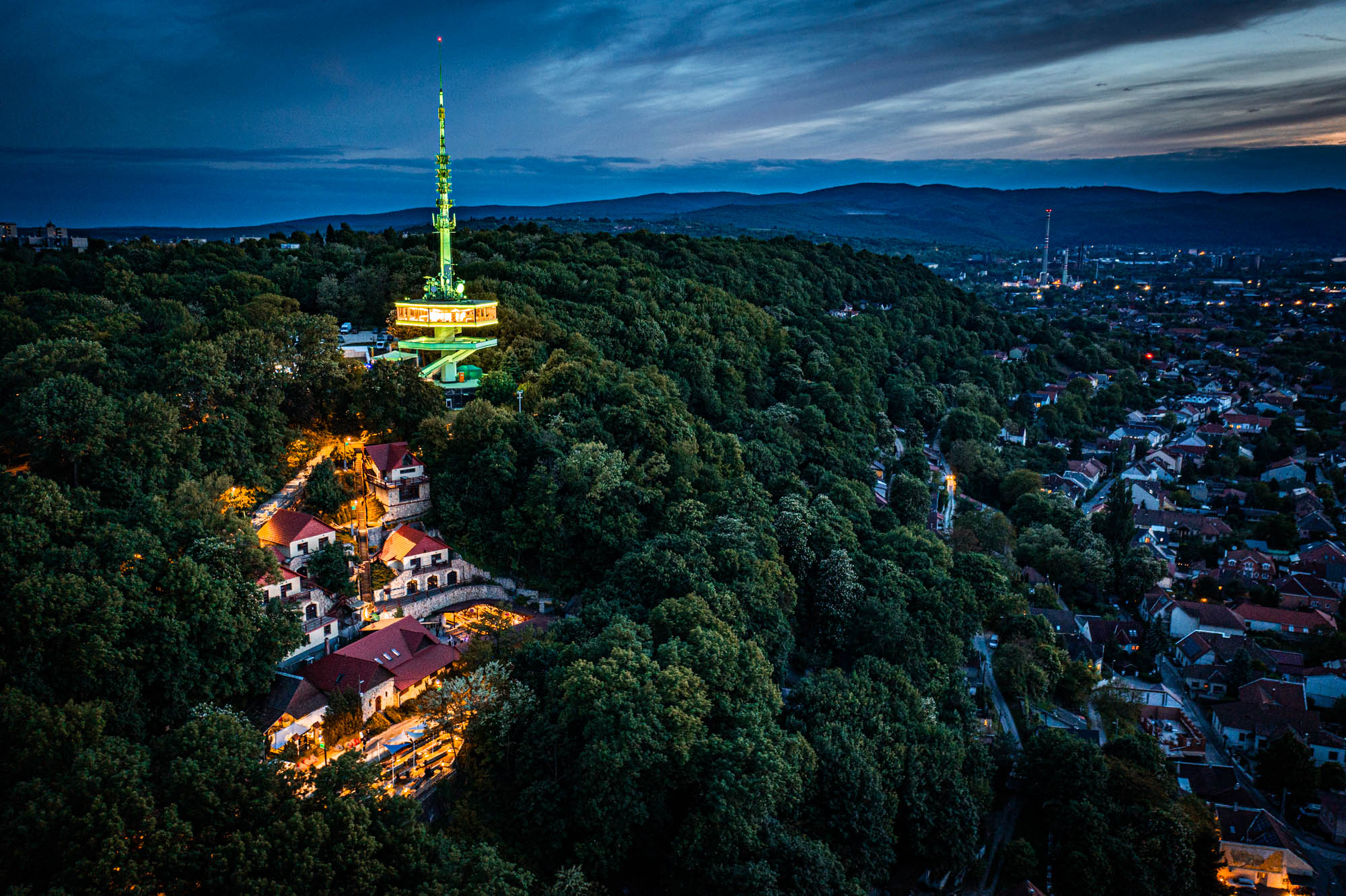
One of the region’s flagship projects unfolded in Miskolc’s Avasi district. Under the “Historical Avasi Tourism Development” programme, a €4.5 million (1.5 billion forints) investment from EU and domestic sources completely revitalised the Avasi Lookout and its surroundings. The project introduced a new community building, a modern playground on Horváth Hill, and a range of visitor comfort points, significantly enhancing Miskolc’s appeal for outdoor activities, sports, and family excursions. The lookout itself received structural reinforcement and energy efficiency upgrades, new flooring in public areas, a refreshed interior, and a modern glass-and-aluminium enclosed viewing space. The open-air terrace was also renovated, complete with aesthetic elements and miniature artworks celebrating Miskolc’s architectural heritage. Central to the project was the Bortanya, a hub among over 900 local wine cellars, reinforcing the area’s cultural and enotourism significance.
In Mezőkövesd, EU funds exceeding €9 million (over 3 billion forints) facilitated major upgrades at the Zsóry Thermal and Strand Baths. Additions included covered experience pools, a new adventure park, and a modernised swimming facility, along with energy-efficient systems such as new thermal and cold-water wells, heat exchangers, pumps, and a solar park. These upgrades were essential after a decade of limited investment in renewable energy and sustainability. The objective: create modern infrastructure, invigorate tourism, and promote healthy lifestyles, benefiting both visitors and residents.
In recent years, Sárospatak has seen significant tourism developments, largely funded by European Union resources, aimed at enhancing both the town’s historical and natural attractions and the visitor experience. Projects under the TOP Plus programme have focused on landmarks such as the Rákóczi Castle and the Megyer-hegyi tengerszem, with the latter’s renovation and improved accessibility costing 388.7 million forints, 306.7 million of which came from EU support.
Another cornerstone initiative, the “Magic of the Bodrog” water tourism project, expanded riverside infrastructure and promoted water sports, creating modern services and engaging experiences while preserving the area’s unique natural and historical assets. Together, these investments have not only increased visitor numbers but also invigorated the local economy and supported the creation of new jobs, demonstrating how effectively EU funding can transform regional tourism.
Complementary Tourism Initiatives in Rural Settlements
Neighboring villages Kondó and Mályinka are also seeing tourism investments under the TOP Plus programme, fully covered by EU funds. Kondó will host a modern, experience-driven visitor centre with multifunctional exhibition and information spaces, while Mályinka will gain a community and event hub with play and relaxation zones. Both projects include parking, bike and hiking trail connections, and accessible infrastructure, positioning these villages as gateways to the northern Bükk hiking and cycling network. Visitors will be able to explore both sites in a single day or extend their stay to enjoy the region’s landscapes and natural treasures.
Vadna and Bánhorváti are jointly undertaking tourism projects funded entirely by the TOP Plus programme, with a combined value of nearly 200 million forints. In Vadna, an accessible tourist center and rest area is being built to host events, accommodate visitors, and support longer stays, building on the existing role of Vadna Park and aiming to attract even more guests with nature-friendly infrastructure. Meanwhile, Bánhorváti is creating a leisure park with playgrounds, sports areas, benches, and green spaces, serving both locals and tourists. ű
The collaboration between the two villages, much like a similar regional pairing, is the result of deliberate tourism planning: the projects complement each other to present a unified tourist region, allowing visitors to explore both sites in a single day or stay longer. Vadna serves as an ideal starting point for hikes toward Bánhorváti, while the leisure park also functions as a community hub for village life.
A Boost for Eco- and Cycling Tourism
Ecotourism in Hungary has seen a remarkable upswing in recent years, benefiting not only visitors seeking nature-based recreation but also contributing to the preservation of natural assets and the economic strengthening of rural communities.
In Miskolctapolca, substantial investments have transformed the district, with particular attention given to preserving and showcasing the natural environment while modernizing tourism infrastructure. Nearly 1.3 billion forints in EU funding supported the “Green City Development” project, which created new asphalted pathways in the ancient park, installed modern pavilions and street furniture, and carried out extensive landscaping, including turfing and planting new greenery. The park now features several interactive, double-sided, thematic, and three-dimensional information panels, along with a digital totem providing touch-screen access and 15 bronze miniature sculptures illustrating the city’s cultural and natural heritage.
The renovations also included the rehabilitation of the Boating Lake, enhancing water quality and biodiversity, and upgrading the infrastructure behind the Akropolis Open-Air Stage, enabling the Miskolc Parish to host performances with higher technical requirements. The Green City program extends beyond Miskolctapolca to the city center and the historic Avas district, promoting active, nature-based leisure for both residents and tourists.
In Izsák, Southern Great Plain, eco-tourism developments were also realized near Kolon Lake with the construction of the Fürkésző Educational Center. Funded by a 527 million-forint non-refundable EU grant under a Natura 2000 wetlands project, the center serves hikers and school groups alike: as a starting and resting point for walkers and as an outdoor classroom for students. Its most distinctive feature is a seven-station digital nature trail, which interactively presents the lake’s wildlife, landscape history, flora and fauna, and surrounding trails.
The Fürkésző Center was part of a broader initiative enhancing multiple eco-tourism sites across the Danube–Tisza interfluve, including Szeged’s Fehér Lake, the Red Marsh visitor sites, and Nagyszéksós Lake’s information point. These developments aim to present protected areas’ natural values in an engaging, educational way, emphasizing environmental education and the sustainable growth of eco-tourism.
Baranya County also benefited from EU funding: Siklós and Villány received 500 million forints in non-refundable support from the ERDF cohesion fund, enabling projects worth approximately 590 million forints at an 85% funding intensity. The program seeks to enhance the region’s active and eco-tourism appeal, particularly by highlighting the natural values of the Villány Hills and promoting their sustainable use.
Most of the investment in Siklós focuses on the Csodabogyó nature trail, which is being upgraded with new rest and fire pits, shelters, sanitary facilities, and a forest playground. The 1,848-meter trail starts at the Máriagyűd pilgrimage site, while a new lookout tower on Fekete Hill and connecting hiking trails are also under development. Together, these projects create a nationally significant facility expected to increase visitor numbers, lengthen stays, and boost local spending, strengthening the area’s economic and tourism profile.
Other tourism developments have also taken place around Siklós, including new cycling infrastructure: a nearly 2.4 km long rural bike path was constructed with 350 million forints of EU funding. Carried out under the TOP Plusz programme, this development was fully financed by EU cohesion funds. The route connects Máriagyűd with Villány, not only facilitating local commuting and leisure cycling but also significantly boosting tourism, particularly wine tourism in the region.
Similarly, a new cycle path has been built between Kazincbarcika and Vadna, representing a major improvement for both local daily transport and the area’s tourist appeal. Funded with over 330 million forints from the EU under the TOP Plusz programme, the project aims to create a safe and modern cycling connection between Kazincbarcika and the popular tourist destination around Lake Vadna.

Funded by the European Union. Views and opinions expressed are however those of the author(s) only and do not necessarily reflect those of the European Union or European Commission. Neither the European Union nor the granting authority can be held responsible for them.

